

Hebei Runhuabang New Material Technology
Co., Ltd. is a comprehensive enterprise
integrating production, processing and sales
Our company mainly produces and operates
non-metallic minerals such as iron oxide
pigments, tourmaline, far-infrared powder,
iron powder, etc
Our company adheres to the concept of quality
first and integrity management, and sincerely
invites customers at home and abroad to
establish good cooperative relations
18
+
years
Industry experience
30
+
platform
Production equipment
13000
+
㎡
Factory size
50
+
person
staff member
WHAT WE DO
white talc
Fine, White, And Quietly Powerful: Talc That Lifts Formulations Across Cosmetics, Plastics, Paper, And More When labs ask me what’s moving the needle in filler technology this year, I point them to Runhuabang Fine White Talc Powder For Key To Enhancing Product Performance In Cosmetics Plastics And Beyond . The name’s a mouthful, sure, but the material is straightforward: ultra-consistent plate-like talc with tight particle control, clean color, and testing that stands up to regulatory scrutiny. Based in 0811, Building H2, Poly Plaza (North District), 95 Shifang Road, Chang’an District, Shijiazhuang, Hebei—Runhuabang has quietly become the “spec sheet you actually trust,” as one packaging engineer joked to me. Industry snapshot: why talc is trending (again) Two currents drive demand: cleaner cosmetics with glide and oil control (without chalkiness), and plastics that must be stiffer, flatter, and more heat-tolerant, yet cost-effective. Paper, rubber, and coatings are also leaning on talc for brightness, processing ease, and anti-settling. Actually, it’s not just hype—compounders keep telling me that a well-dispersed talc saves rework and widens the window for stable, repeatable production. Typical specifications (lab-verified, real-world use may vary) Mineral / Formula Talc (Mg3Si4O10(OH)2), lamellar Whiteness (L) ≈ 96–98 Median particle size (D50) ≈ 5 μm (custom: 1–15 μm) Brightness (ISO) ≥ 94 Moisture ≤ 0.5% pH (10% slurry) ≈ 7–9 Oil absorption ≈ 20–28 g/100 g Asbestos (ISO 22262-1) Not detected Heavy metals (USP-NF Talc) Meets limits Process flow and QC Ore selection → beneficiation → iron-removal and magnetic separation → jet milling & air classification → optional surface treatment (e.g., stearate) → precision blending → sieving → QA. Testing references: ISO 3262-10 for pigments/extenders; asbestos per ISO 22262-1; plastics performance via ASTM D648 (HDT) and ASTM D256 (impact). Service life: in PP interior trim, customers often report +10–20% dimensional stability over time and fewer warpage-related rejects. Where it shines Cosmetics: silkier glide, sebum control, soft-focus finish; ISO 22716-aligned production. Many customers say color batches are surprisingly consistent. Plastics (PP, PE, TPO): stiffness ↑ 20–40%, HDT ↑ 8–15°C (at similar loading), shrinkage/warpage ; costs trimmed with filler loading. Paper: smoother surface, brightness, improved printability (TAPPI tests on gloss/opacity). Rubber: reinforcing aid, mold release; fewer sticking events. Coatings: better hiding, scrub resistance, anti-settling. Vendor comparison (indicative) Runhuabang Generic A Import B D50 control Tight (±0.5 μm) Moderate Tight Whiteness variation Low Medium Low Surface treatments Multiple (stearate, silane) on request Limited Moderate Cosmetics GMP (ISO 22716) Available Unknown Available REACH support Yes Partial Yes Lead time Fast, predictable Variable Moderate Customization, cases, and feedback Custom cuts (1–15 μm), surface-modified grades, moisture targets, and brightness tiers are available. One indie cosmetics brand swapped in Runhuabang Fine White Talc Powder For Key To Enhancing Product Performance In Cosmetics Plastics And Beyond and saw oil-control claims validated in panel tests within two weeks. A Tier-2 auto supplier used Runhuabang Fine White Talc Powder For Key To Enhancing Product Performance In Cosmetics Plastics And Beyond in PP/TPO door panels: HDT rose ~12°C (ASTM D648, 1.8 MPa), warpage complaints dropped sharply; they told me scrap fell by “almost a third.” Paper mill? After a trial with Runhuabang Fine White Talc Powder For Key To Enhancing Product Performance In Cosmetics Plastics And Beyond , print mottle improved and sheet smoothness hit their target without extra calendering. Certifications and compliance ISO 9001/14001, ISO 22716 alignment for cosmetic use, REACH-ready, asbestos testing per ISO 22262-1, and conformance to USP-NF Talc monograph parameters. Data sheets and COAs are available on request. Final thought To be honest, fillers don’t usually excite me—but this one behaves in the mixer, looks clean in the pan, and shows up in the test lab. If your spec calls for performance without drama, this is worth a proper A/B trial. ISO 3262-10: Extenders for paints—Specifications and methods of test—Part 10: Talc. ISO 22716: Cosmetics—Good Manufacturing Practices (GMP)—Guidelines. ASTM D648: Standard Test Method for Deflection Temperature of Plastics Under Flexural Load. ASTM D256: Standard Test Methods for Determining the Izod Pendulum Impact Resistance of Plastics. ISO 22262-1: Bulk materials—Qualitative determination of asbestos. USP–NF Monograph: Talc; and EU REACH Regulation (EC) No 1907/2006.
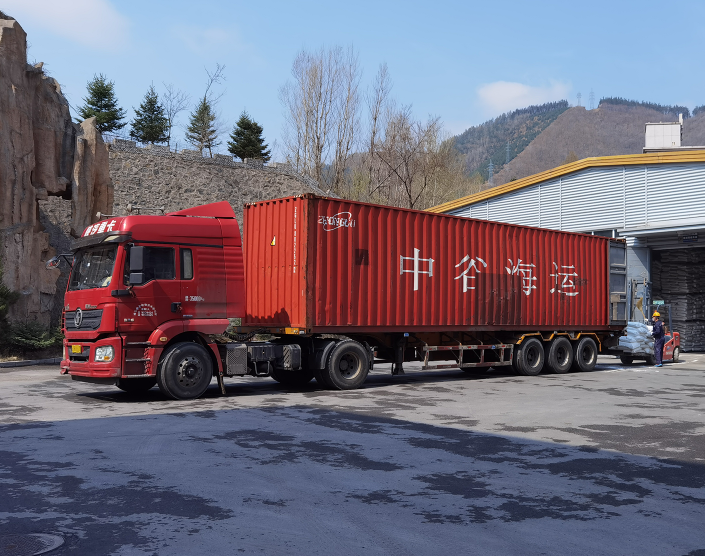
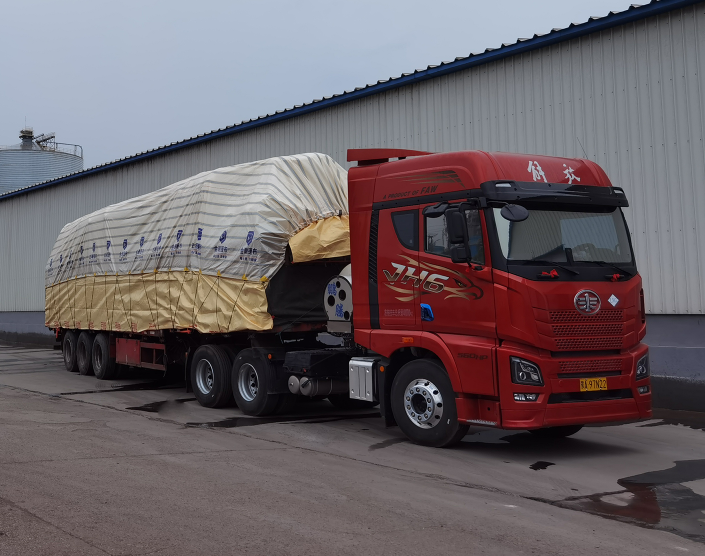
Mining&Production
The company has a large scale and outstanding
production capacity, with an annual output of
200,000 tons; With its excellent product quality
and perfect service system, it sells well exported
to Europe, the United States, the Middle East,
Southeast Asia and other more than 100 countries
and regions, well received by the market and customers.
Processing&Sales
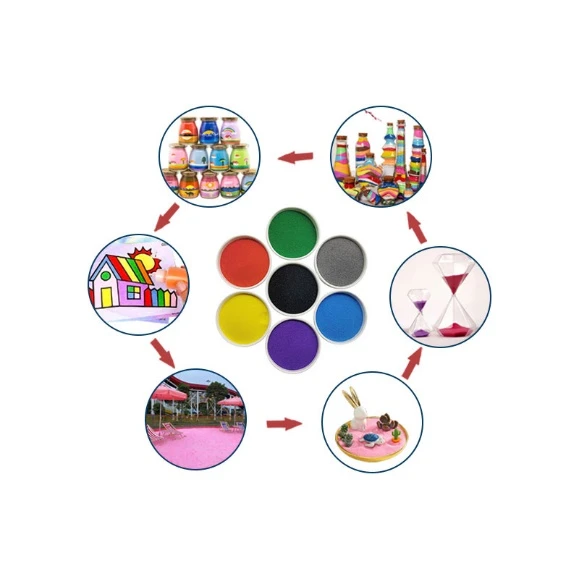
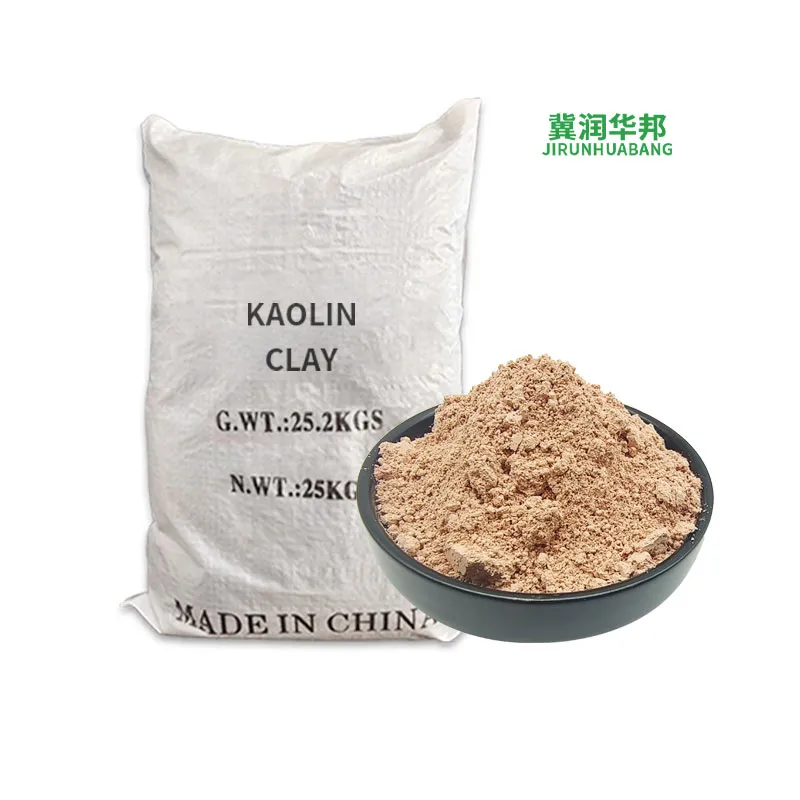
The company takes technology as the forerunner,
continuously carries out technological innovation,
and strictly follows the quality management system
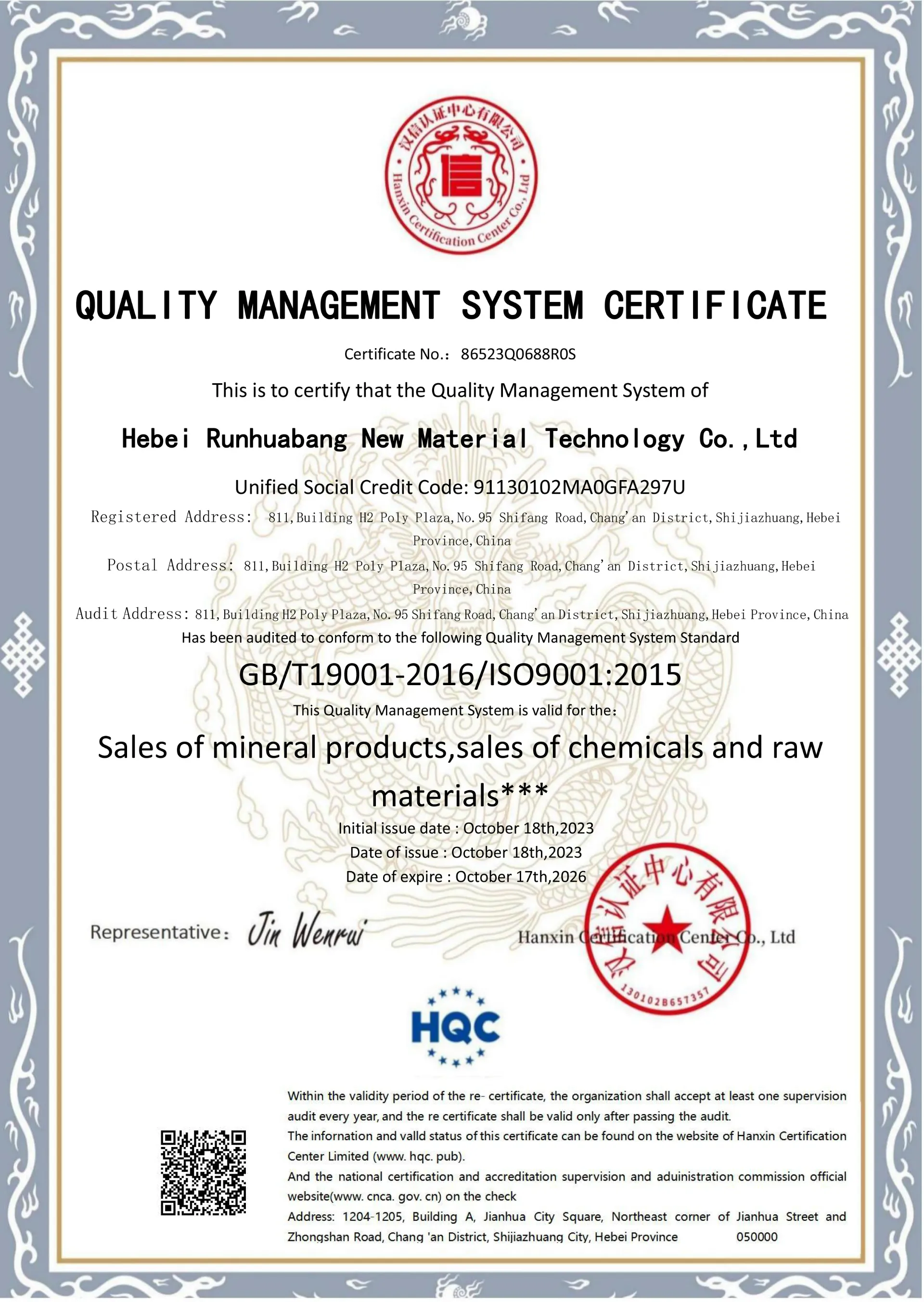
in production.Our products have passed ISO 9001
technical qualification certification and are exported
to more than 70 countries and regions in Southeast
Asia,Western Europe and North America...
Machining
process

Ore mining


Broken


Picking
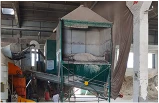


Washing



Dry



Calcination



Screening
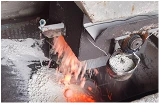


Wrap
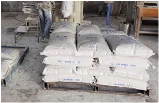


Transtorp



Quality assurance
Set up a perfect quality management system,professional quality inspectors

Team of Professionals
Establish a professional quality inspection team,strictly control the production process to ensure product qualit

Quality service
Professional customer service 24 hours a day fast response,timely answer your questions

Source manufacturer
18 years of mineral product production & export experience
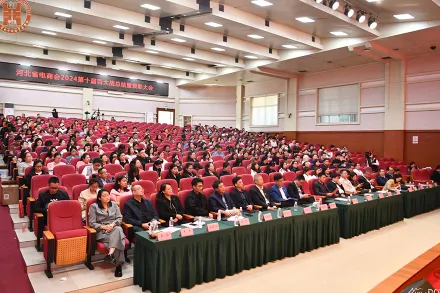
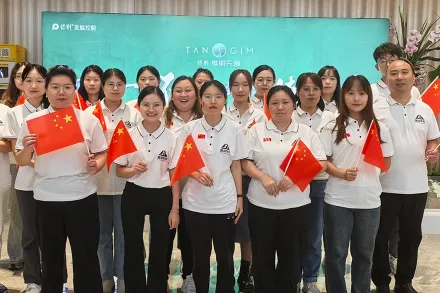
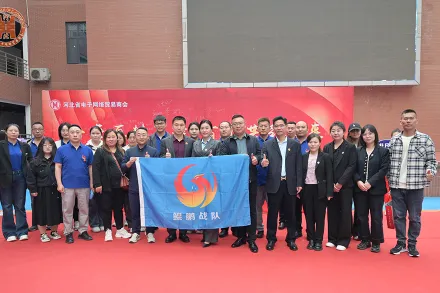
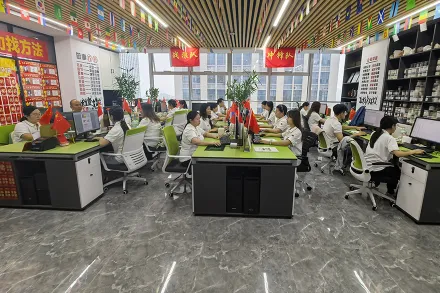
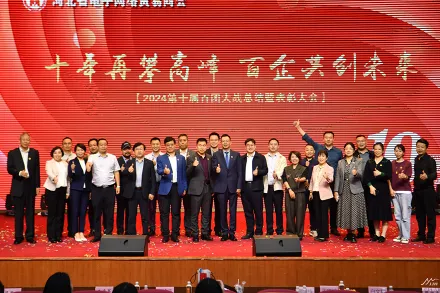
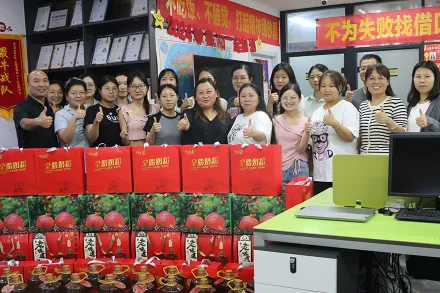
CUSTOMER VISITS AND EXHIBITIONS
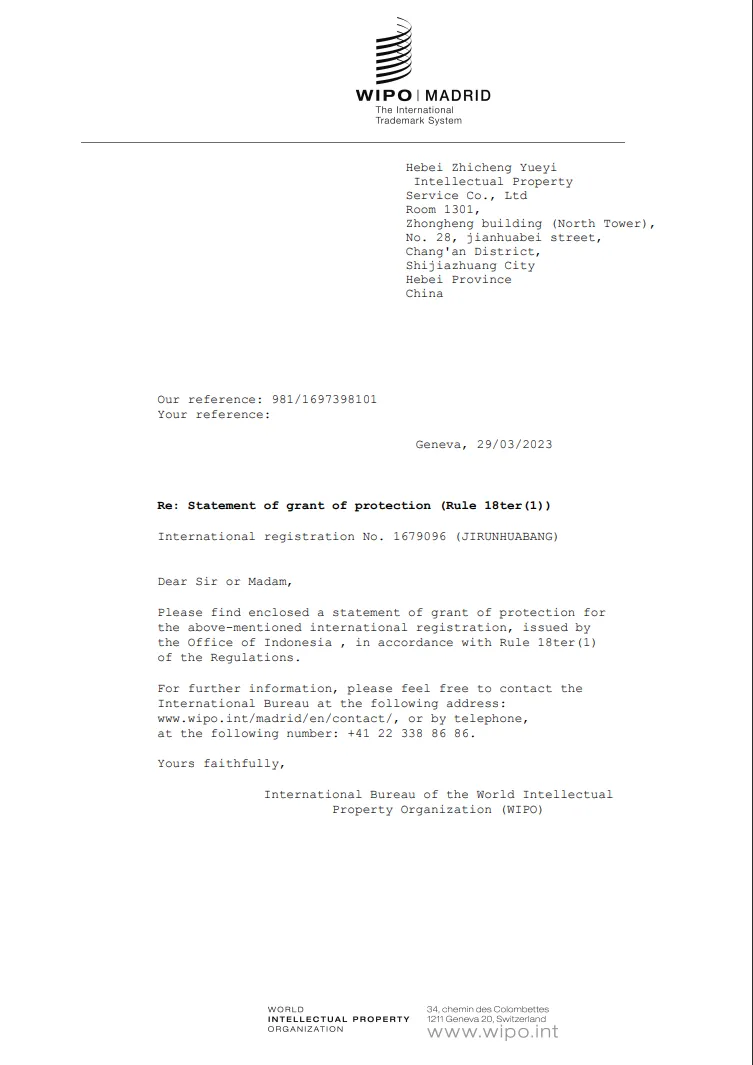
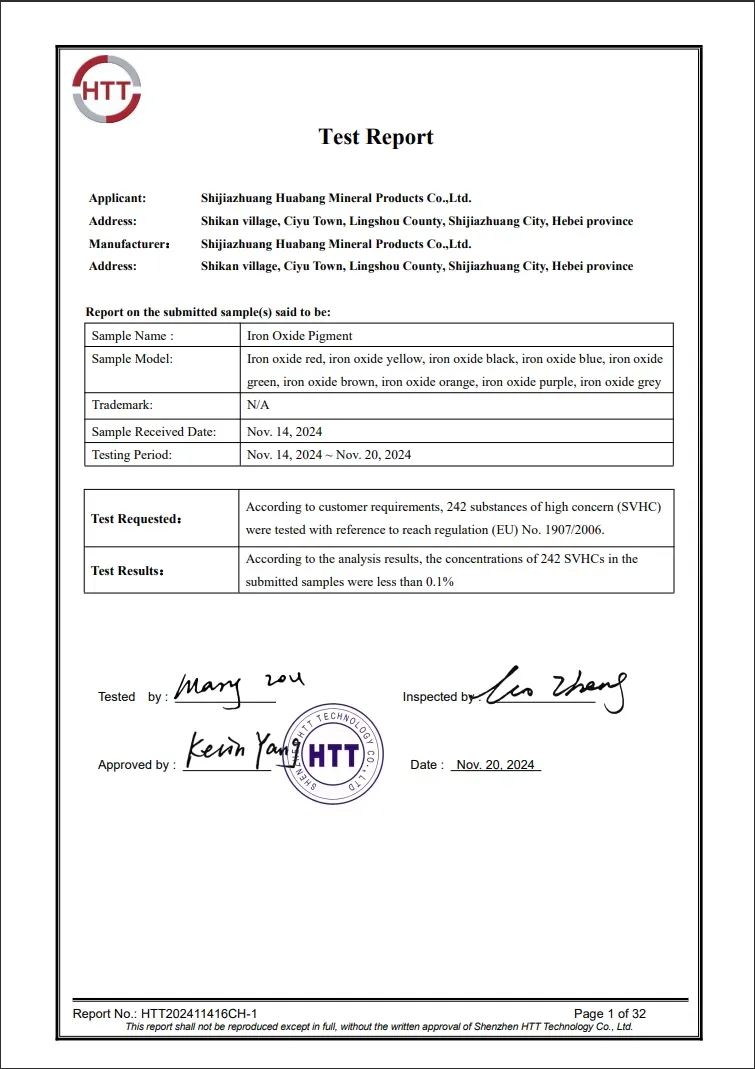
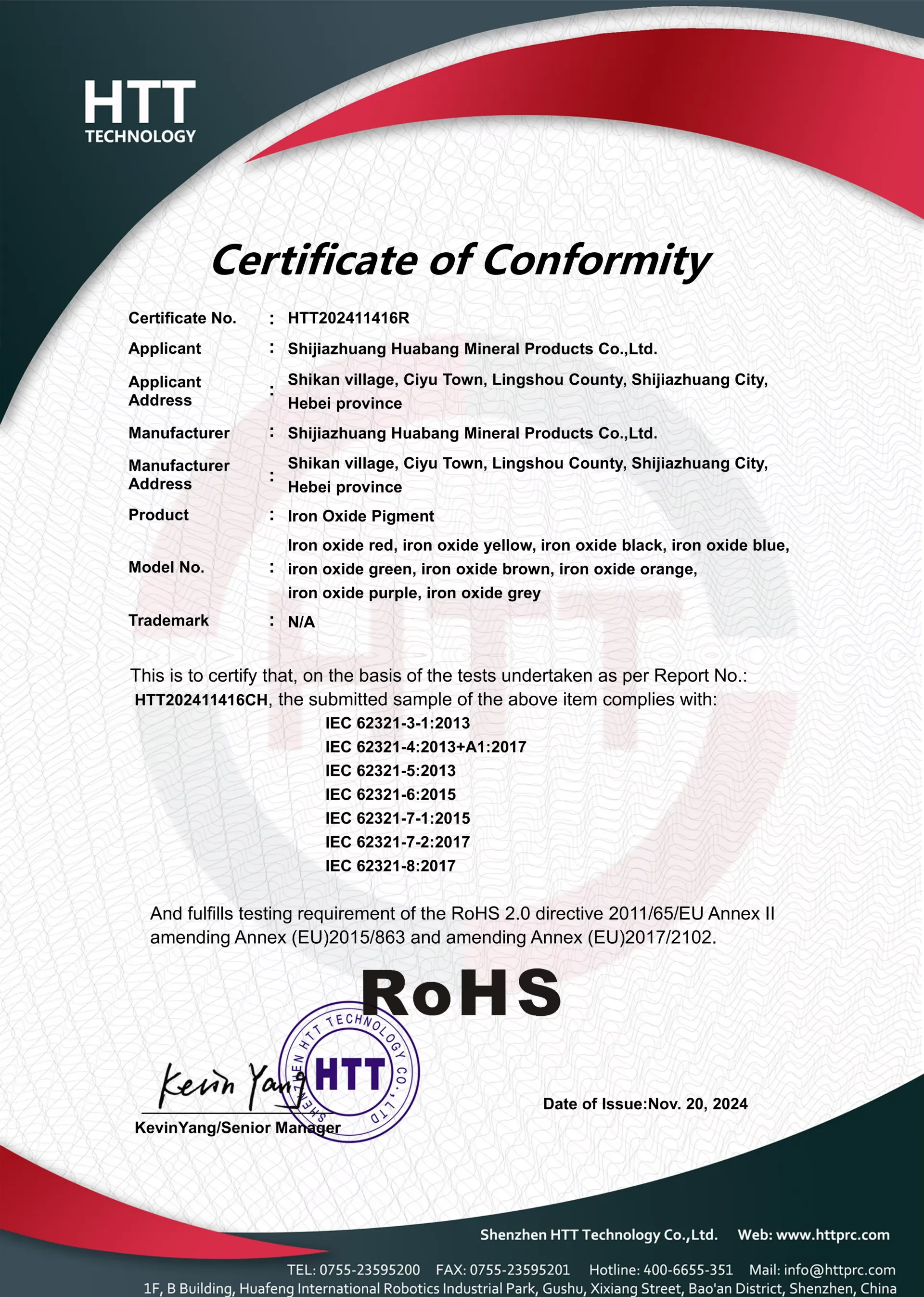
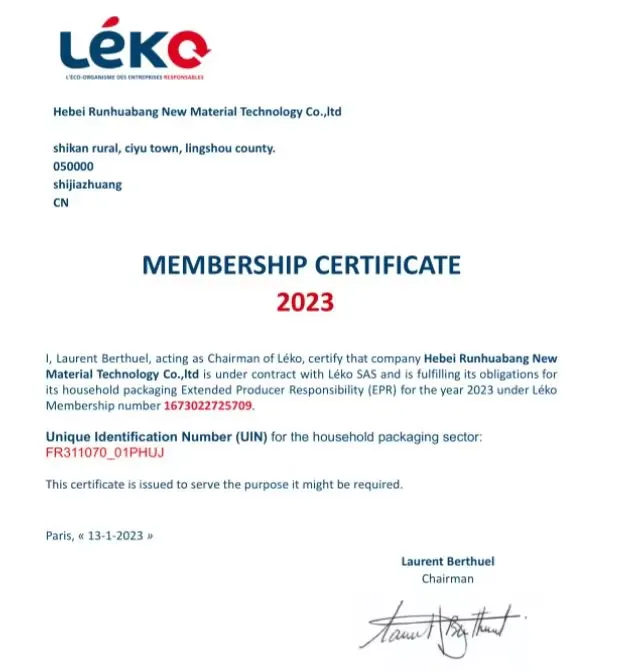
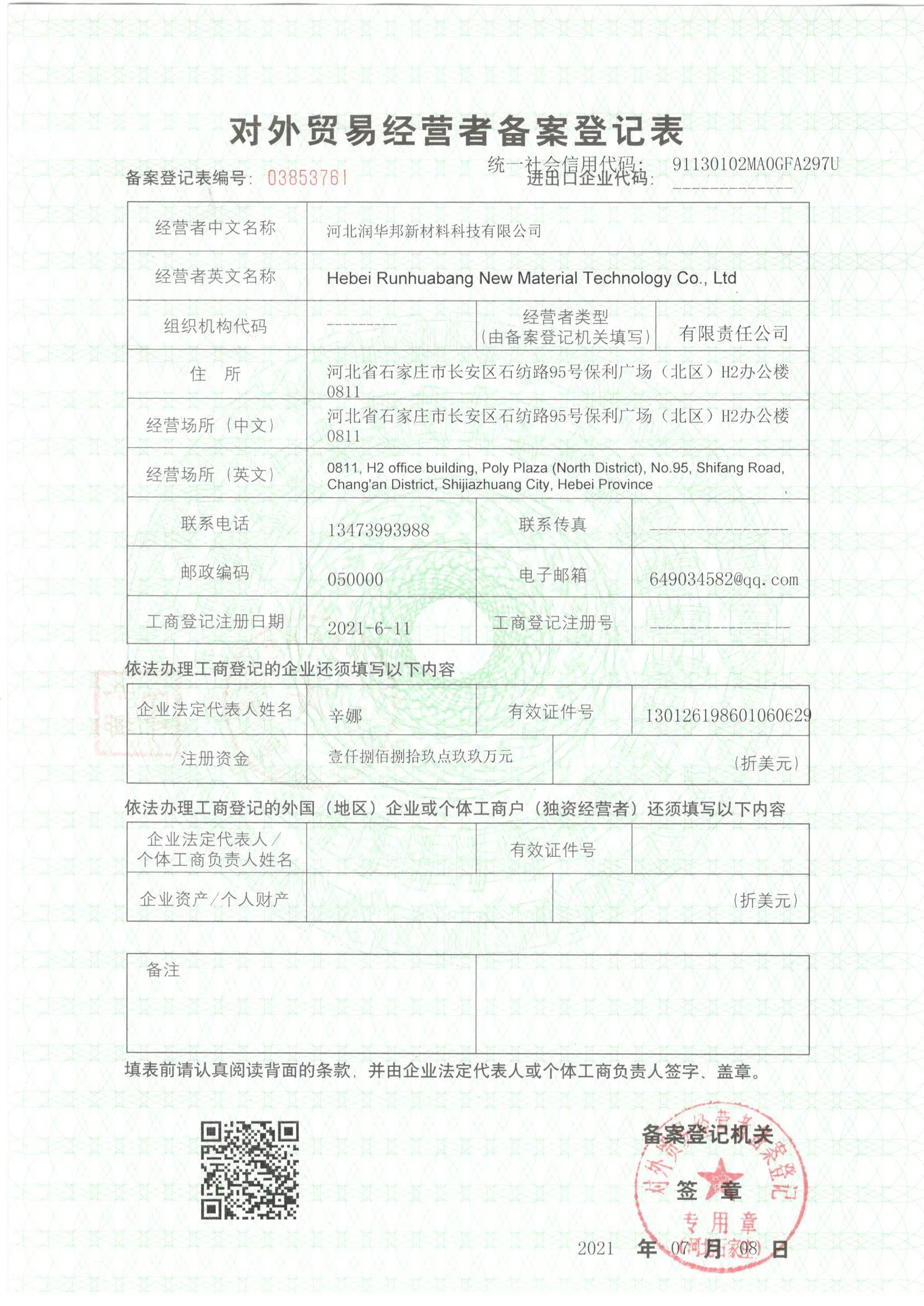
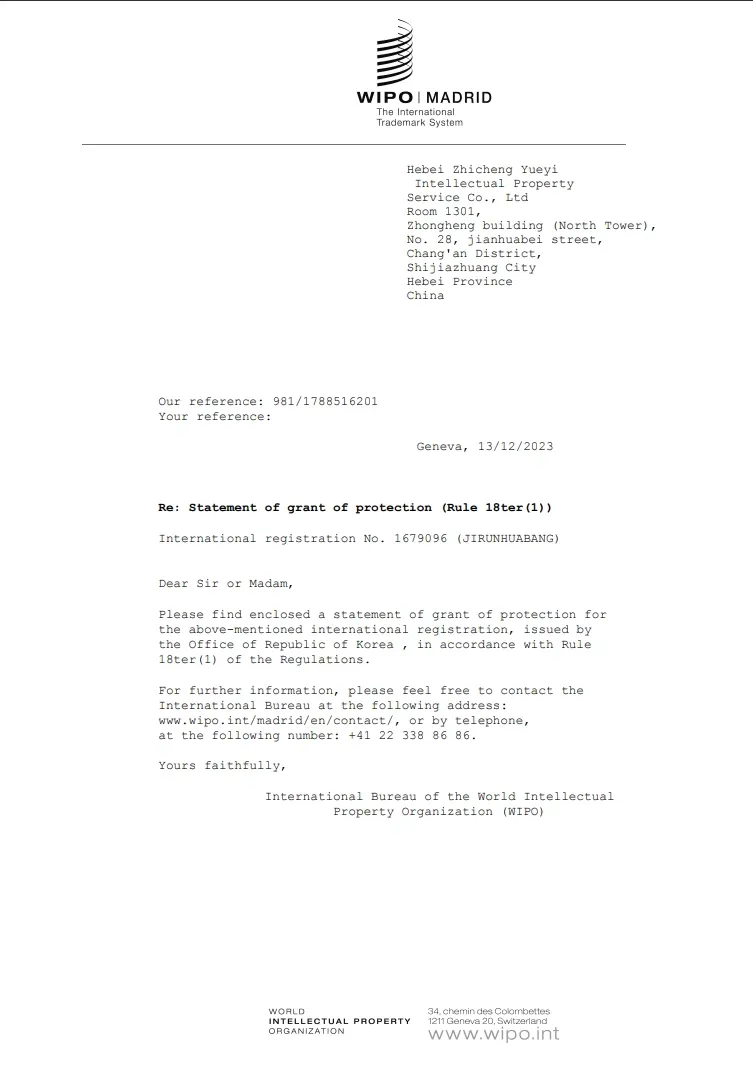
OUR certificate


OUR BLOG

2026-06-20 16:25
White MPH+ Alkaline Ceramic Ball Filter for Weak Alkaline Water
Advancing Water Quality: The Role of Alkaline Ceramic Filter Elements In an era where water quality
2026-06-20 16:20
dark blue tourmaline price
Understanding the pricing of dark blue tourmaline requires delving into a complex interplay of facto
2026-06-20 17:02
Wollastonite powder for construction materials ceramics industry paint covering power metallurgical
Wollastonite powder, derived from the naturally occurring calcium silicate mineral wollastonite, is



About Runhuabang
Hebei Runhuabang New Material Technology Co., Ltd. is a comprehensive enterprise integrating production, processing and sales
Get In Touch
0811, Building H2, Poly Plaza (North District), 95 Shifang Road, Chang 'an District, Shijiazhuang, Hebei

Copyright © 2025 Hebei runhuabang New Material Technology Co.,Ltd. All Rights Reserved. Privacy Policy


